





Infertility IVF Specialist
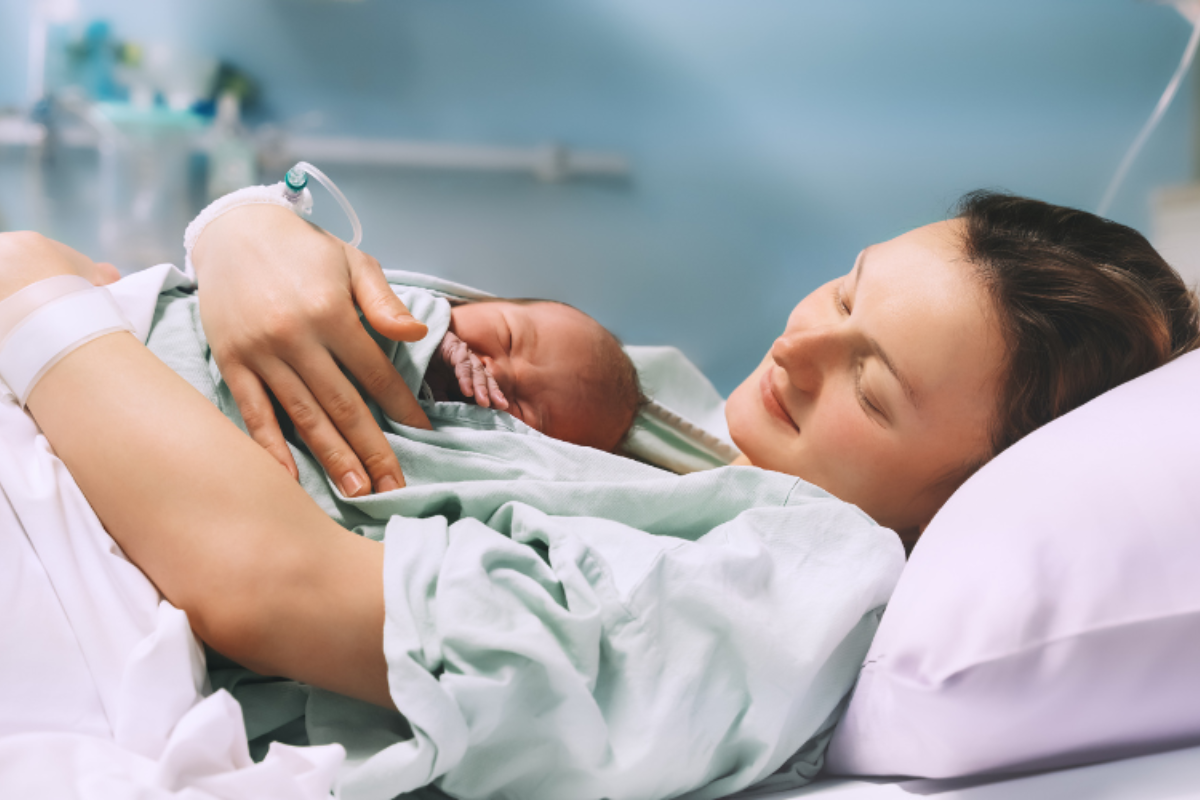
Infertility care focuses on identifying and treating factors that may affect a couple’s ability to conceive naturally. An experienced Infertility & IVF Specialist provides personalized evaluation and evidence-based treatment for both male and female fertility concerns. Care may include hormonal assessment, ovulation monitoring, fertility investigations, and other necessary diagnostic tests. Depending on individual needs, treatment options may include ovulation induction, IUI, IVF, or other assisted reproductive techniques. Patients receive detailed guidance throughout the fertility journey, with treatment plans tailored to their specific condition and goals. The specialist also provides support for conditions such as PCOS, endometriosis, reduced ovarian reserve, and unexplained infertility. Emotional support, counseling, and regular monitoring are important parts of comprehensive fertility care. With individualized treatment and advanced reproductive techniques, the goal is to help couples move confidently toward achieving a healthy pregnancy.
High Risk Pregnancy
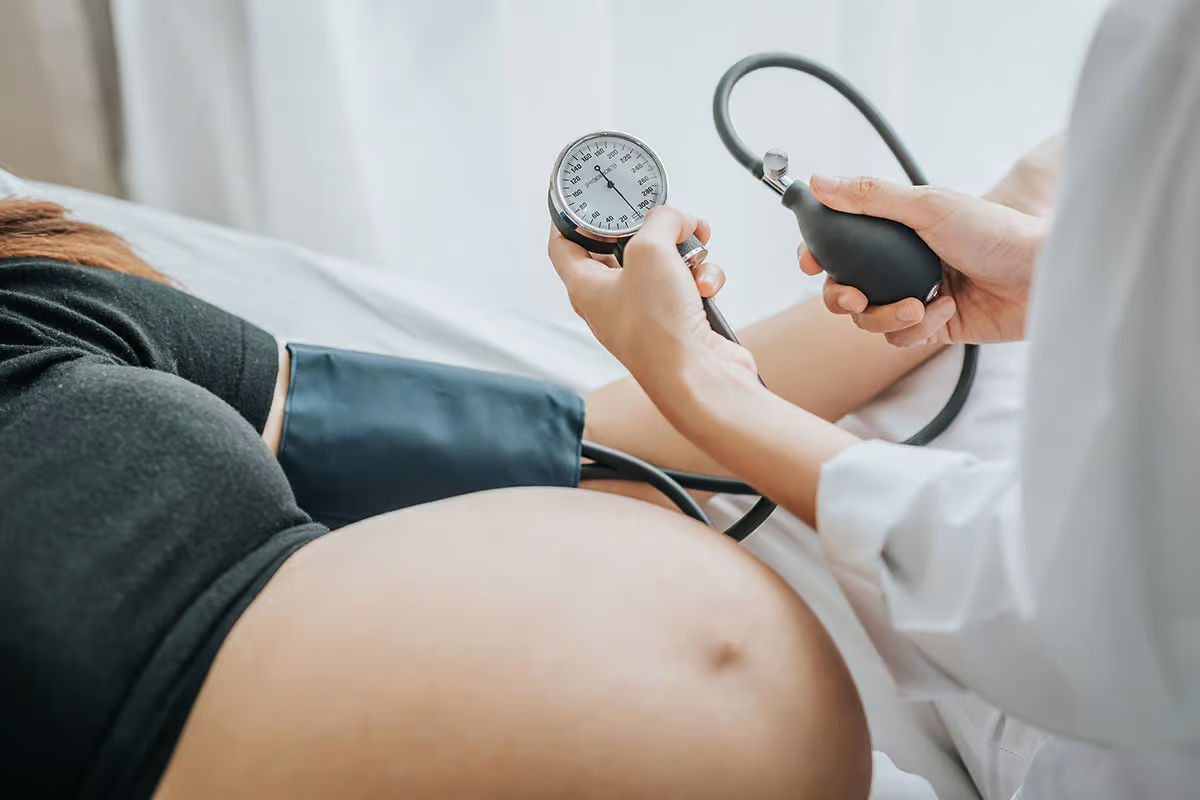
High-risk pregnancy requires specialized care and regular monitoring to protect the health of both mother and baby. An experienced Obstetrician and Gynecologist provides personalized care based on the mother’s medical history and pregnancy needs. Conditions such as diabetes, high blood pressure, thyroid disorders, multiple pregnancy, or previous pregnancy complications may require closer supervision. Regular antenatal check-ups, ultrasound scans, and appropriate diagnostic tests help monitor fetal growth and maternal health. The treatment plan is carefully adjusted according to the pregnancy stage and individual risk factors. Early identification of potential complications allows timely medical intervention and better pregnancy management. The specialist provides guidance on nutrition, medication, lifestyle, warning signs, and preparation for delivery. With continuous expert supervision and comprehensive care, high-risk pregnancies can be managed safely and confidently.
Adolescence Gynecology

Adolescent Gynecology provides specialized care for girls and young women experiencing reproductive and hormonal health concerns. An experienced Obstetrician and Gynecologist offers confidential, age-appropriate evaluation and compassionate guidance. Care may address irregular periods, painful menstruation, excessive bleeding, PCOS, hormonal imbalances, and vaginal infections. The specialist also helps manage concerns related to puberty, menstrual hygiene, nutrition, and healthy reproductive development. Detailed assessment helps identify underlying conditions and provides appropriate treatment at an early stage. Patients and parents can receive guidance on maintaining healthy lifestyle habits and understanding normal physical changes. Regular consultations can support healthy menstrual patterns and promote long-term reproductive well-being. With supportive and personalized care, adolescents can feel comfortable discussing their concerns and developing healthy gynecological habits.
Hormonal Dysfunction in Woman

Hormonal dysfunction can affect women at different stages of life and may impact menstrual, reproductive, and overall health. An experienced Obstetrician and Gynecologist provides comprehensive evaluation to identify possible hormonal imbalances and their underlying causes. Common concerns may include irregular periods, PCOS, excessive bleeding, mood changes, acne, weight fluctuations, and fertility difficulties. Appropriate hormonal and diagnostic tests may be recommended based on individual symptoms and medical history. Treatment is personalized according to age, reproductive goals, symptoms, and the specific hormonal condition. The specialist may provide medical management, lifestyle guidance, and regular monitoring to support hormonal balance. Early evaluation can help manage persistent symptoms and reduce the risk of associated reproductive health complications. With compassionate, individualized care, women can receive effective support for better hormonal and gynecological well-being.
Gynaecological Laparoscopy
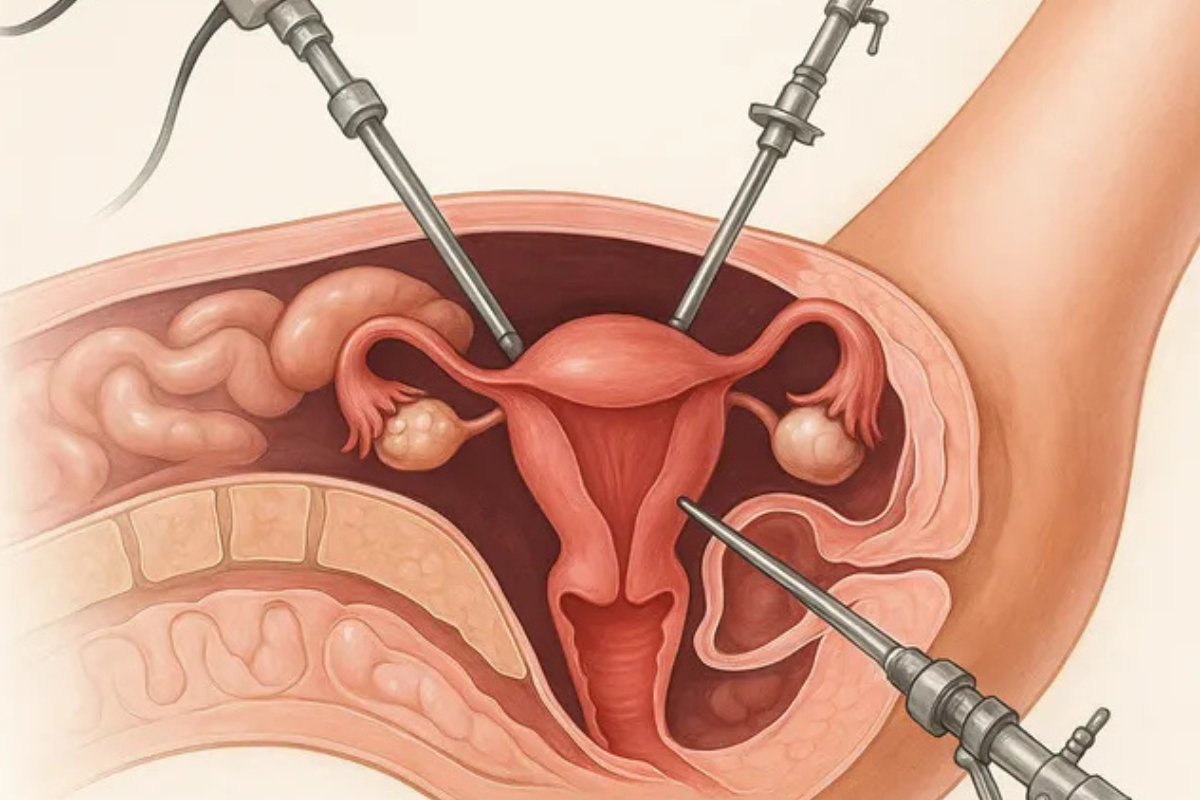
Gynaecological laparoscopy is a minimally invasive surgical technique used to diagnose and treat various conditions affecting the female reproductive system. It involves making small incisions to access the pelvic and abdominal organs with the help of a specialized laparoscope. This approach may be used for conditions such as ovarian cysts, endometriosis, fibroids, ectopic pregnancy, and certain fertility-related problems. Laparoscopic procedures generally involve smaller incisions compared with traditional open surgery. Patients may experience less postoperative discomfort, reduced scarring, and a faster recovery in suitable cases. The Obstetrician and Gynecologist carefully evaluates each patient to determine whether laparoscopy is appropriate. Advanced laparoscopic techniques can support accurate diagnosis and effective treatment while minimizing surgical trauma. With personalized preoperative assessment and postoperative care, patients can receive safe and comprehensive gynaecological surgical management.
Hysteroscopy
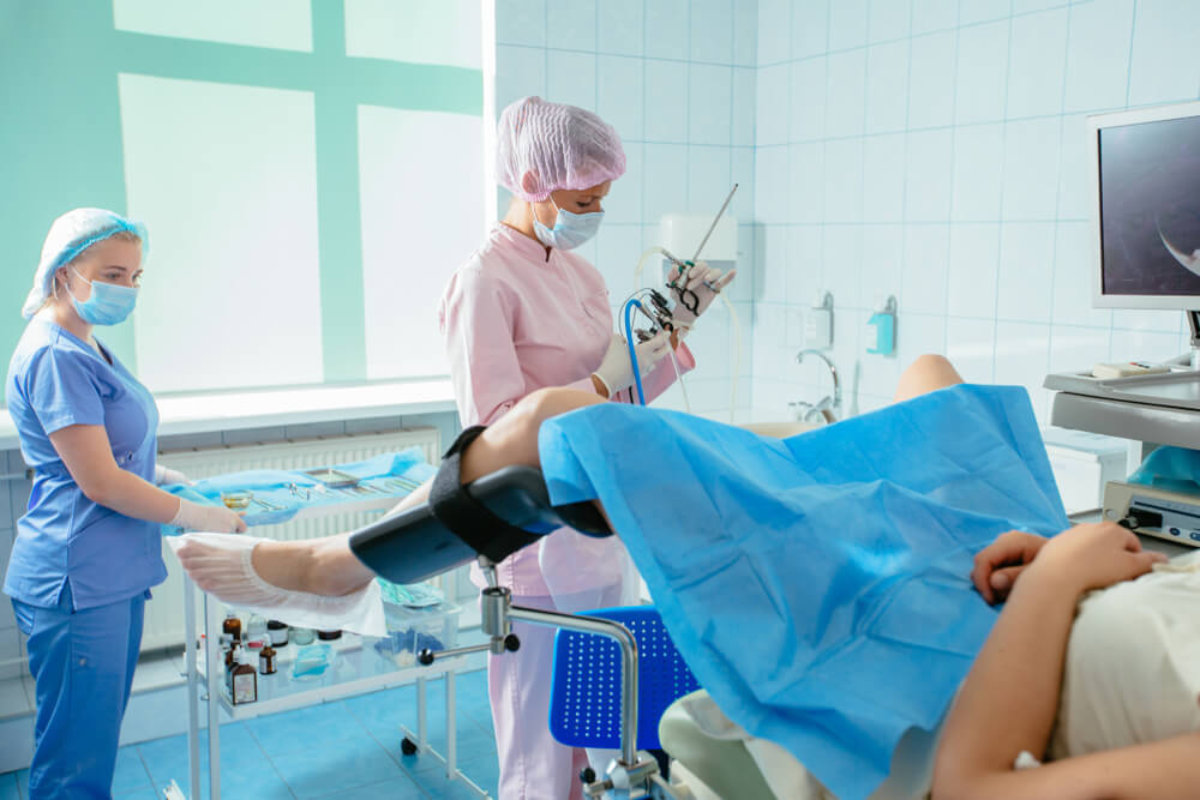
Hysteroscopy is a minimally invasive procedure used to examine the inside of the uterus and diagnose various uterine conditions. It involves using a thin, lighted hysteroscope inserted through the vagina and cervix, usually without external incisions. The procedure can help identify conditions such as uterine fibroids, polyps, adhesions, and abnormalities of the uterine lining. Hysteroscopy may also be recommended for evaluating abnormal uterine bleeding and certain fertility-related concerns. When required, treatment of selected conditions can be performed during the same procedure. The Obstetrician and Gynecologist carefully assesses each patient to determine the most appropriate approach. As a minimally invasive technique, hysteroscopy may offer less discomfort and a quicker recovery compared with some traditional procedures. With proper evaluation, skilled treatment, and follow-up care, hysteroscopy can support comprehensive and effective gynaecological care.
Medical Management of Fibroid and Endometriosis (Avoid Surgery's)
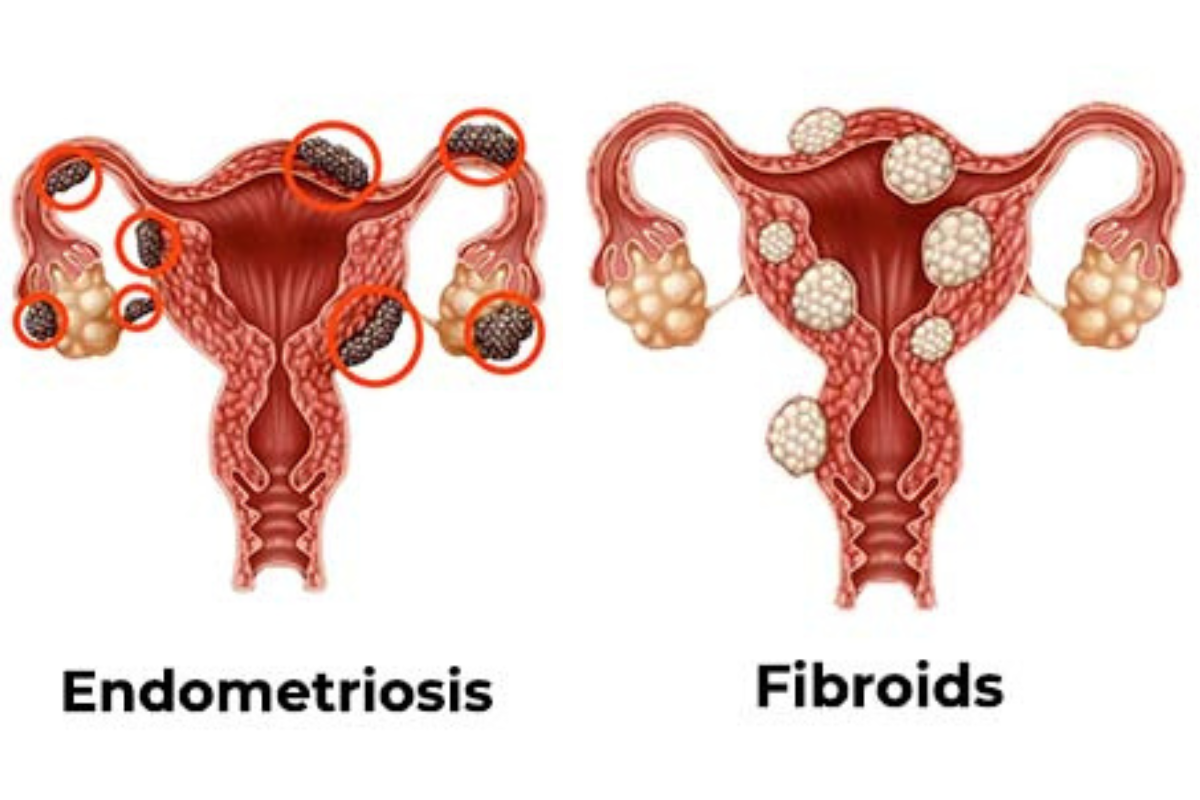
Medical management of fibroids and endometriosis focuses on controlling symptoms and improving quality of life while avoiding surgery when clinically appropriate. An experienced Obstetrician and Gynecologist evaluates the patient’s symptoms, medical history, reproductive goals, and overall health before recommending treatment. For fibroids, medications may help manage heavy menstrual bleeding, pelvic discomfort, and other related symptoms. Endometriosis treatment may include hormonal medicines and pain-management strategies to reduce symptoms and suppress disease activity. Treatment plans are individualized according to the severity of the condition, age, fertility plans, and response to therapy. Regular follow-up helps monitor symptoms, treatment effectiveness, and any changes in the condition over time. Lifestyle guidance and supportive care may also be included as part of a comprehensive non-surgical management approach. When surgery is not necessary or preferred, appropriate medical treatment can help many women manage fibroid and endometriosis-related symptoms effectively.
Recurrent Pregnancy Loss

Recurrent Pregnancy Loss requires careful evaluation to understand possible factors contributing to repeated miscarriages and to plan appropriate care. An experienced Obstetrician and Gynecologist reviews the patient’s medical history, previous pregnancy outcomes, and overall reproductive health. Depending on individual circumstances, investigations may assess hormonal, genetic, uterine, metabolic, or other potential contributing factors. A personalized treatment plan is developed based on the findings and the couple’s future pregnancy goals. Preconception counseling and appropriate medical management can help prepare the body for a healthy pregnancy. Once pregnancy occurs, regular antenatal monitoring helps assess maternal health and fetal development closely. Emotional support and compassionate communication are also important throughout evaluation and pregnancy care. With timely assessment, individualized management, and close supervision, women can receive comprehensive support during their journey toward a healthy pregnancy.